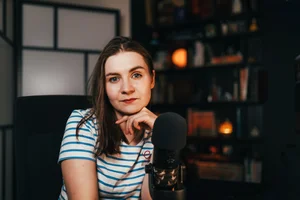
When imperfection feels true…
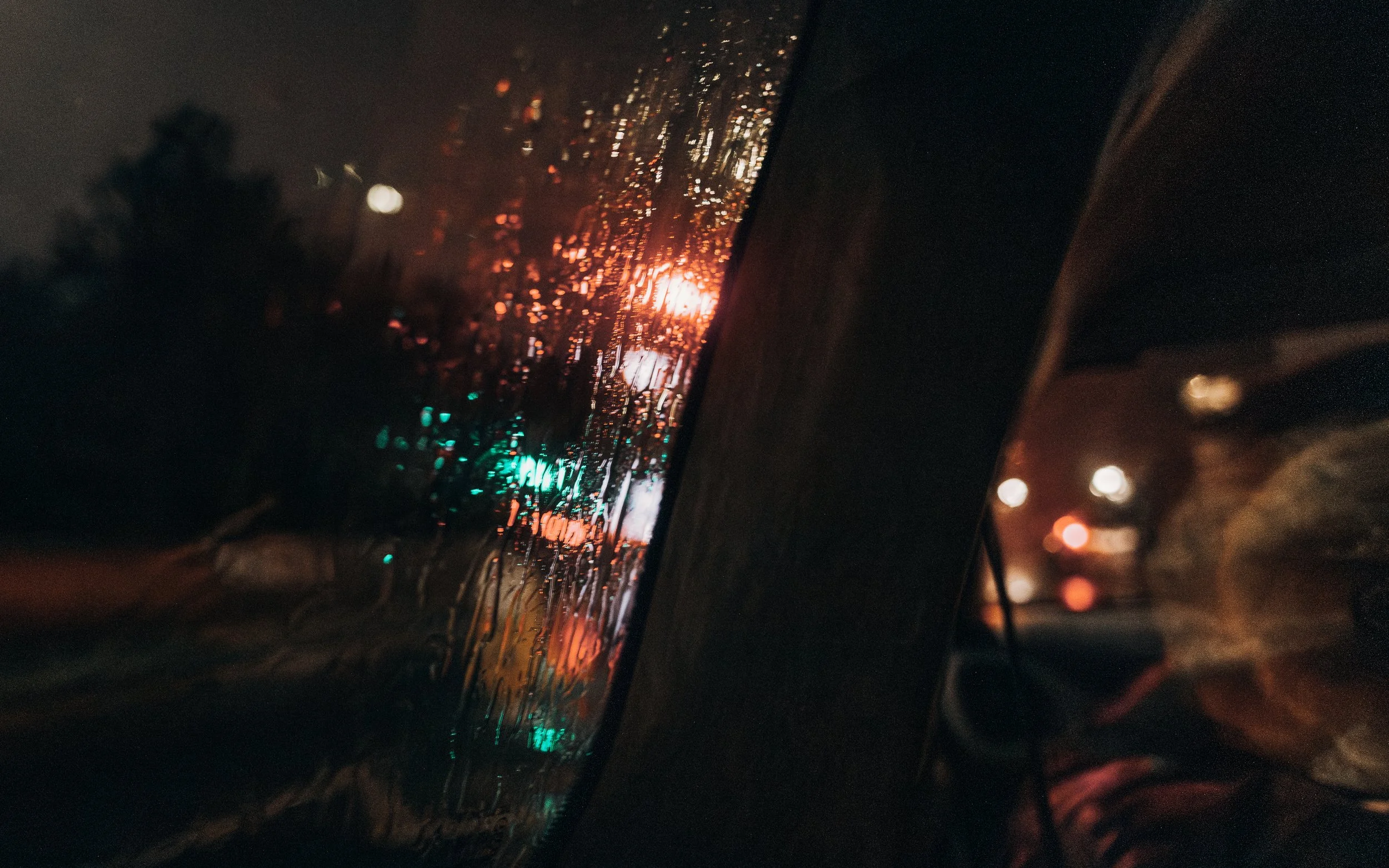
The other day, I was reading the blog post “Not being able to see very clearly is believing” written by Joerg Colberg, and it made me ask myself a question - why do people find lo-fi video and mobile phone images more believable?
We’re surrounded by cameras that can make anything look like a movie. Crisp sensors, silky stabilisation, editing tools that can clean up every flaw. And yet, when something actually happens, people still trust the shaky, grainy phone clip more than the beautifully shot broadcast version. Is it nostalgia? Or is it instinct?
Lo-fi feels unplanned, and that alone gives it power. When a video is overexposed, noisy, or filmed from someone’s pocket, it reads as an “I just hit record” moment. You assume the person behind the camera wasn’t thinking about composition or lighting; they were reacting to what was unfolding right in front of them. That sense of immediacy rings true.
The imperfections play a huge role. The focus hunts, the wobbly framing, the janky zoom — these things don’t look rehearsed. Most of us don’t associate flaws with manipulation, so when a clip is messy and a bit chaotic, it feels like a moment that moved too quickly for anyone to stage or polish. The roughness becomes evidence.
There’s also the familiarity factor. Everyone has a phone, and most of us document life with it. So when you watch phone footage, it mirrors your own visual habits. You can picture yourself holding the device, seeing the scene from that same vantage point. That closeness builds trust before you’ve even processed what you’re looking at.
Speed matters too. Phone clips shoot from the street to social media in seconds. By the time a newsroom crafts something polished or a photographer files a clean still, the raw footage has already shaped the narrative. People tend to believe the first version of a story they see — and lo-fi usually arrives first.
Then there’s modern fatigue. Audiences know how easy it is to edit, grade, or outright fabricate pristine imagery. When something looks too perfect, suspicion kicks in. “What was changed?” “What was left out?” High production value can accidentally create distance. Lo-fi, on the other hand, feels like the antidote: fast, wonky, human.
A whole generation grew up with vertical, scrappy, unfiltered video as their default window on the world. That aesthetic has become a shortcut for realness. So when significant moments appear in that same visual language, they instantly feel more believable — not because they’re technically better, but because they feel lived-in, unpolished, genuine and authentic.