What automation really changed in photography
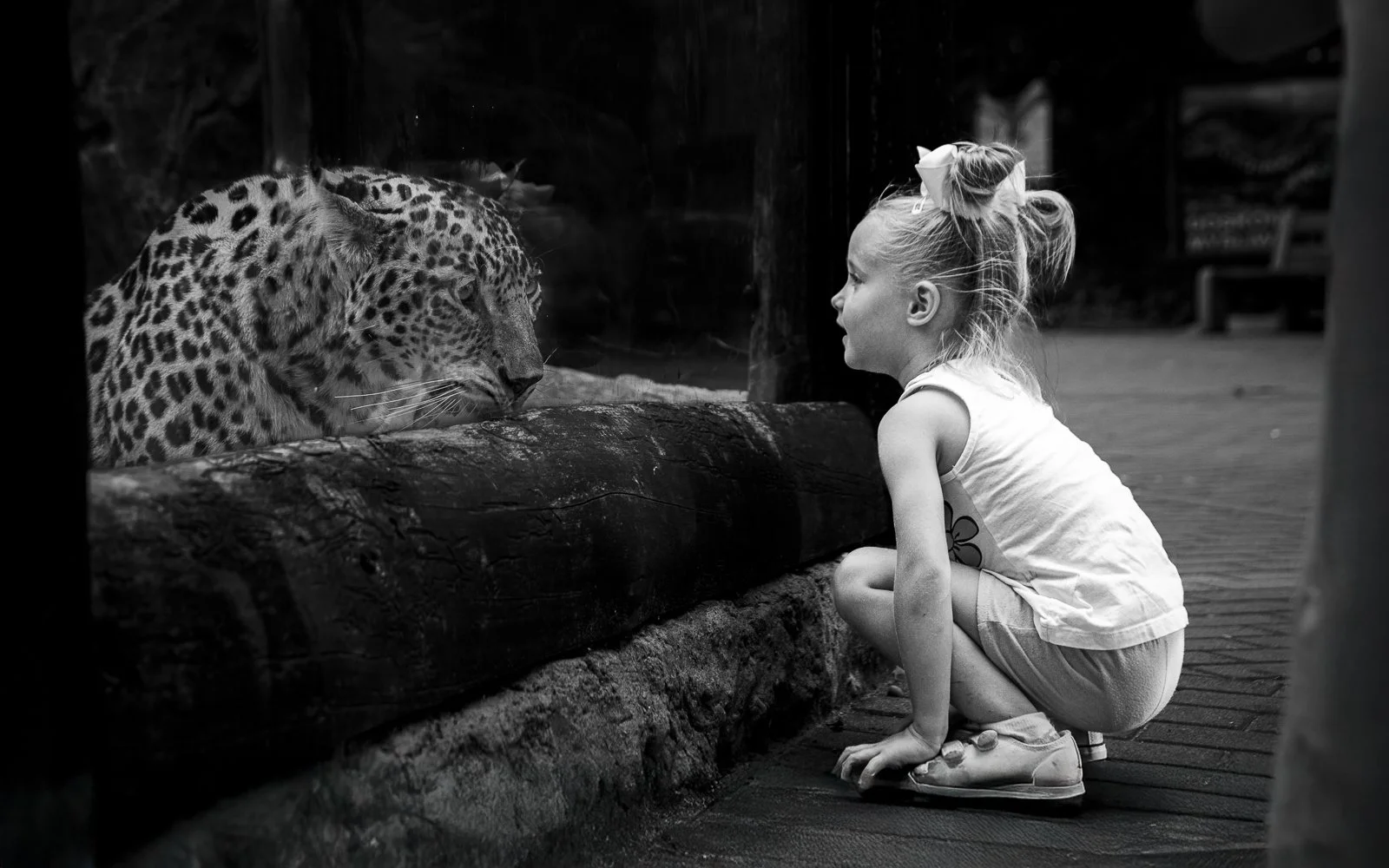
The first time I truly trusted autofocus, I was standing on a busy street, camera in hand, trying to capture the fleeting expressions of passersby in afternoon light. It was a moment ripe with potential, yet my fingers hesitated. Tentatively, I pressed the shutter, and the result was a revelation—a crisp, perfectly timed photograph I couldn't have captured alone.
I remember when someone told me photography was "basically finished." Autofocus was fast, and cameras could pick the right exposure better than many beginners. Later, it was presets, then AI, then phones that could shoot in the dark. Each time, people said the same thing: this is the end of the craft. I sometimes wondered if machines and algorithms were replacing what made photography special. It made me worry that the unique skills might be fading away.
But that never happened. At least, that's how I see it.
What really changed wasn’t the value of photography, but where the work happens. We often see skill as something fixed, a set of techniques to protect. When technology changes those techniques, it can feel like something is lost. But skill always adapts. Think of a landscape photographer who once spent hours in the darkroom. With digital photography, they learned editing software to improve their images and capture emotions in new ways. What felt like a loss became a chance to grow, moving from chemical trays to a digital workspace.
Automation didn’t remove the effort; it just changed where it goes. When cameras could handle exposure, photographers stopped worrying about light meters and started focusing on timing, emotion, and meaning. When autofocus became reliable, the challenge became about intent: why choose this moment, why this framing, why now? The machine handled the routine tasks, so people could make creative choices. To adapt, photographers can pursue personal projects, explore storytelling, or experiment with new techniques such as long exposure or composite images. By working with technology, photographers can focus more on the art itself.
We often miss this point. Technology doesn’t take away from the craft; it makes the basics easier and lets the best work stand out even more. Now, anyone can take a technically good photo, but only a few can create images that are meaningful or say something important. The difference has only grown.
The real danger isn’t the tools—it’s refusing to adapt. When photographers cling to old ideas, like doing everything by hand or seeing struggle as proof of dedication, they hold themselves back. They focus on the process rather than the results and confuse familiarity with real mastery.
I’ve watched talented photographers become less relevant—not because their skills disappeared, but because they thought adapting meant giving up. Others welcomed change. They learned new tools, not just to try something new, but to make space for better ideas. They spent less time fighting with cameras and more time learning about people, culture, and stories.
Photography has always balanced technology with how we see the world. The tools change, but the eye still chooses, the mind still interprets, and the heart still cares. Think of morning light on a dew-covered leaf, shadows during golden hour, or a busy street full of colour and movement. These moments show how eye, mind, and heart work together, reminding us that photography is always a human art.
If photographers feel threatened today, it’s worth asking an uncomfortable question: What part of the work am I afraid to let go of? The craft isn’t disappearing. It’s just asking us to focus our efforts on new challenges. Change is a chance to grow and redefine what photography can be. This evolution lets you try new techniques, broaden your vision, and connect more with the world and its stories. The future of photography isn’t a threat—it’s a chance to take your craft even further.
Progress doesn’t get rid of skill. It shows where real skill actually is.