Stealing to learn in Photography
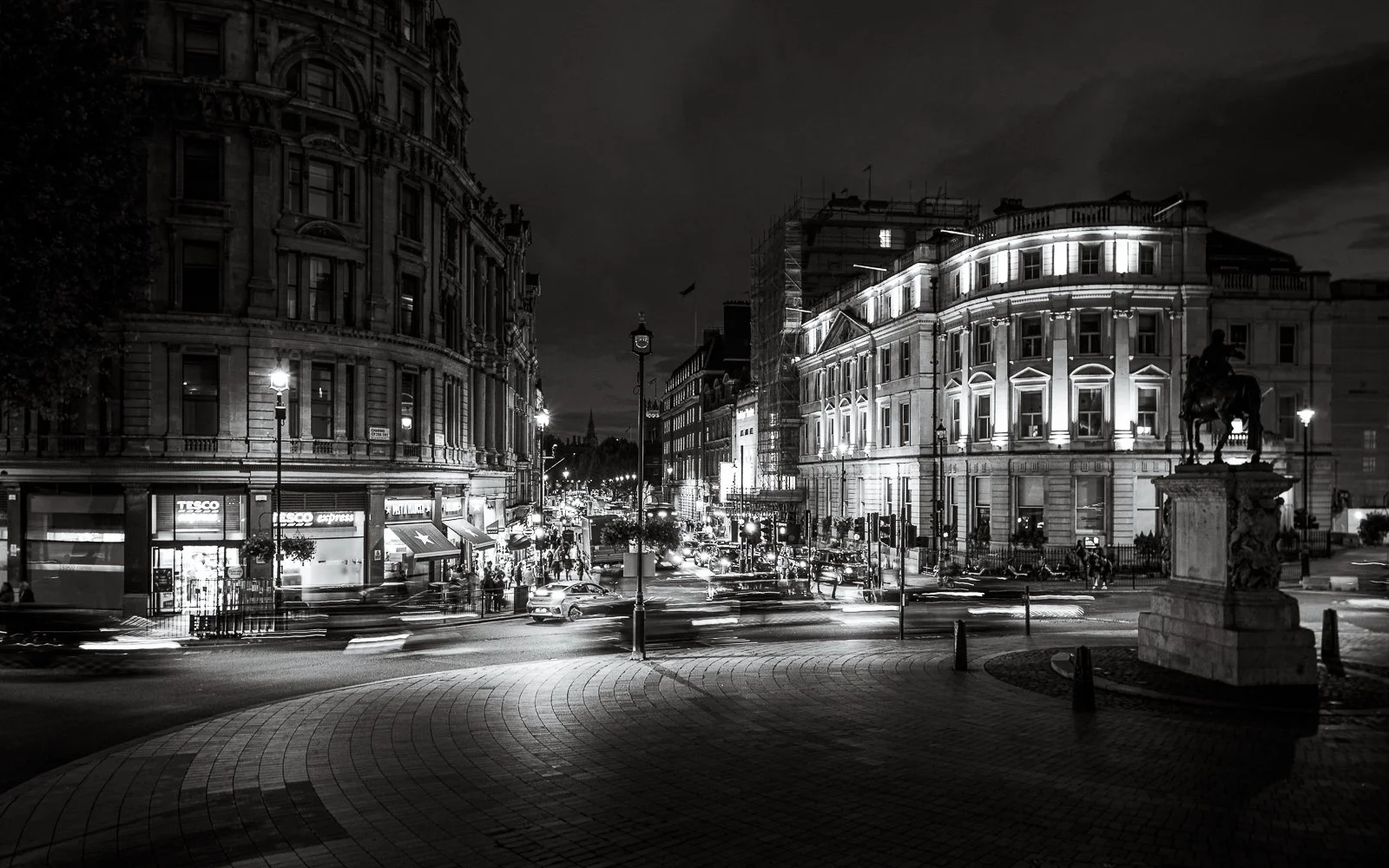
Let’s talk about something photographers rarely admit: imitation has a bad reputation. Today, we’re surrounded by billions of photos online. You spot an amazing image on Instagram, pause to admire it, and feel both inspired and a little discouraged. You might think, “I wish I shot that.” Then comes the next thought: “Maybe I can recreate it.”
But there’s a big difference between copying someone’s photo and learning from their creativity. Inspired by Austin Kleon’s idea in Steal Like an Artist, let’s explore how to borrow photo ideas in a way that helps you grow, instead of just copying.
The Plagiarist vs The Artist-Thief
Before we get into the details, it’s important to distinguish between copying and creative learning. The key is changing how you view someone else’s work.
The Plagiarist (Copying)
When someone copies a photo, they only pay attention to what’s on the surface. They use the same location, pose the model the same way, and use identical editing to match the colours. Their goal is to feel like the original photographer, but since they’re copying one source, the result usually feels flat and lacks originality.
The Artist-Thief (Stealing)
An artist-thief, however, looks deeper and studies the mood, composition, and lighting. They don’t just want to look like another photographer; they want to understand their thinking. They take small ideas from many sources, like a lighting trick or a cropping technique, and mix them together. This creates a new style that is truly their own.
Here’s the golden rule: If you copy from one photographer, it’s plagiarism. If you borrow ideas from several artists, like filmmakers, painters, and designers, you create your own style.
How to “Steal” Like a Professional.
Next time a photo grabs your attention, don’t just admire it. Try to figure out how it was made. Here’s how you can break down an image to learn from it without copying the creator.
1. Strip Away the Subject
When we look at a great photo, we usually focus on the subject, like a model, a mountain, or a street scene. To borrow like an artist, try to ignore the subject and focus on the image's structure instead.
Where do the leading lines go?
Is it utilising the rule of thirds, or is it aggressively symmetrical?
How does the photographer handle negative space?
Use the same layout or framing you see, but apply it to a different subject. For example, if the original photo uses close framing for a sports scene, try that approach with a still-life of flowers.
2. Trace the Light (The Shadow Detective)
Photography means “writing with light.” Instead of copying the whole scene, focus on the shadows. They reveal a lot about the photo.
Are the shadow edges hard or soft? This tells you the size of the light source.
What angle are the shadows falling? This tells you the position of the sun or light.
Is there a catchlight in the subject’s eyes?
When you figure out how your favourite photos are lit, you’re not stealing—you’re learning the language of lighting. Once you understand how they made that dramatic look, you can use it in your own way.
3. The “Three-Ingredient” Mashup
Real originality comes from mixing things that already exist. Next time you plan a shoot, choose three very different sources of inspiration and combine them. For example:
Ingredient A: The high-contrast, black-and-white grain of Daidō Moriyama.
Ingredient B: The pastel, whimsical colour palette of a Wes Anderson film.
Ingredient C: A mundane, everyday location, like your local laundromat.
When you mix these different inspirations, you make something new. You’re not copying Moriyama or Anderson; you’re building on their ideas to see things in your own way.
The ultimate goal is finding your own voice.
There’s nothing wrong with starting out by mimicking the greats. Even the legendary Henri Cartier-Bresson learned from the painters before him. Imitation is an important part of learning because it helps you build technical skills.
But keep in mind that imitation is just a starting point. Study other people’s work to learn about exposure, composition, and storytelling. Once you know what makes their photos great, move on and look for images you can create alone.
So go ahead, look at Pinterest, read photo books, and gather inspiration from everywhere. Just remember to give back by adding your own twist to your photos.