Printed photo reverie
There’s something strange about being a photographer in the digital age. We take thousands of photos, spend hours editing them, post a few online, maybe archive the rest onto hard drives… and somehow convince ourselves that’s enough. I have been doing that for a couple of years now.
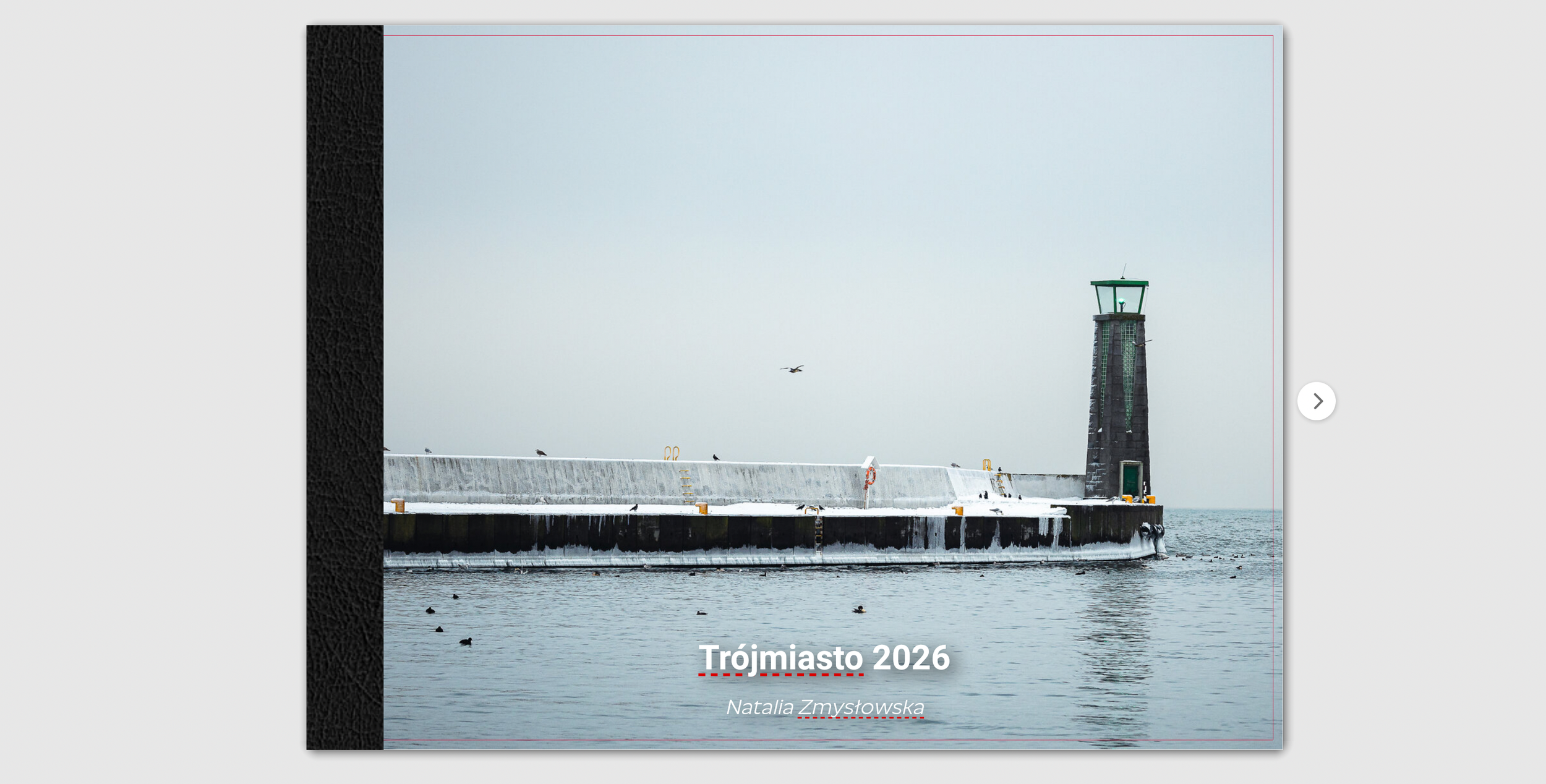
Then, for the first time, a couple of weeks ago, I decided to create my own photobook. Not for a client. Not as a portfolio piece. Just for me.
I wasn’t prepared for how profoundly creating a photobook would shift my perspective on printing photos.
Until then, printing always felt like an afterthought. It was important, of course—every photographer says prints matter—but in reality, my photos mostly stayed on screens. Instagram galleries, Lightroom catalogues, cloud storage folders. You know how it goes.
But a photobook forced me to slow down in a way I wasn’t expecting.
With the photobook, my approach shifted. I stopped focusing on single 'hero shots' and started considering flow, sequencing, mood, and how one image speaks to the next. I began to see my work as a story rather than isolated moments.
And that’s when I realised something uncomfortable:
A lot of the photos I thought were “good” only worked because they were viewed for two seconds on a bright phone screen.
Printing changes everything. You start to notice composition in new ways. Colour balance becomes more important. Shadows look different on paper compared to a screen. Even sharpness stands out in print. Some photos that looked great online suddenly felt flat, while others—quieter, more subtle images I barely noticed before—came alive on paper.
I think that’s what surprised me the most.
Printing took away all the distractions. There were no likes, no scrolling, and no algorithm deciding who saw the photo. It was just the image itself. In some ways, it felt much more personal and intimate.
The process also made me more intentional while shooting since then.
Before, I used to focus on capturing single standout moments. But after making the photobook, I started noticing transitions and small details. I paid attention to wide shots, close-ups, negative space, textures, and the pauses between moments. I began to think in sequences, not just individual shots.
Ironically, creating a book made me shoot less… but more intentionally.
I stopped taking too many photos because I knew I would have to choose which ones to print. When you print your work, every photo needs to have a purpose. That way of thinking changes how you edit your images, making the process quicker.
And there’s another thing nobody really talks about enough: holding your own work in your hands feels completely different from seeing it on a screen.
It sounds obvious until you experience it.
A printed photograph has weight. Presence. Permanence.
Turning pages is not the same as scrolling. You spend more time with each photo and notice details you might miss online. The work feels more real because it exists in the physical world, not hidden among screenshots and memes on your phone.
The funny part is that I originally made the photobook almost casually. I thought it would just be a nice keepsake.
That casual decision redefined what photography means to me. Print became central—not just a final step, but the heart of the process.
Now, when I shoot, I ask myself a completely different question: “Would I want to print this?”
Not “Will this do well online?”
Not “Will people like this?”
Not “Is this trendy enough?”
Just “Does this deserve a physical space in the real world?”
That question has improved my photography more than any preset, camera upgrade, or social media strategy ever did.
And I think more photographers should experience that shift.
Because once you see your work in print—really see it—you stop treating photography as something disposable. You start recognising its true value, and every image becomes a lasting testament to your vision.